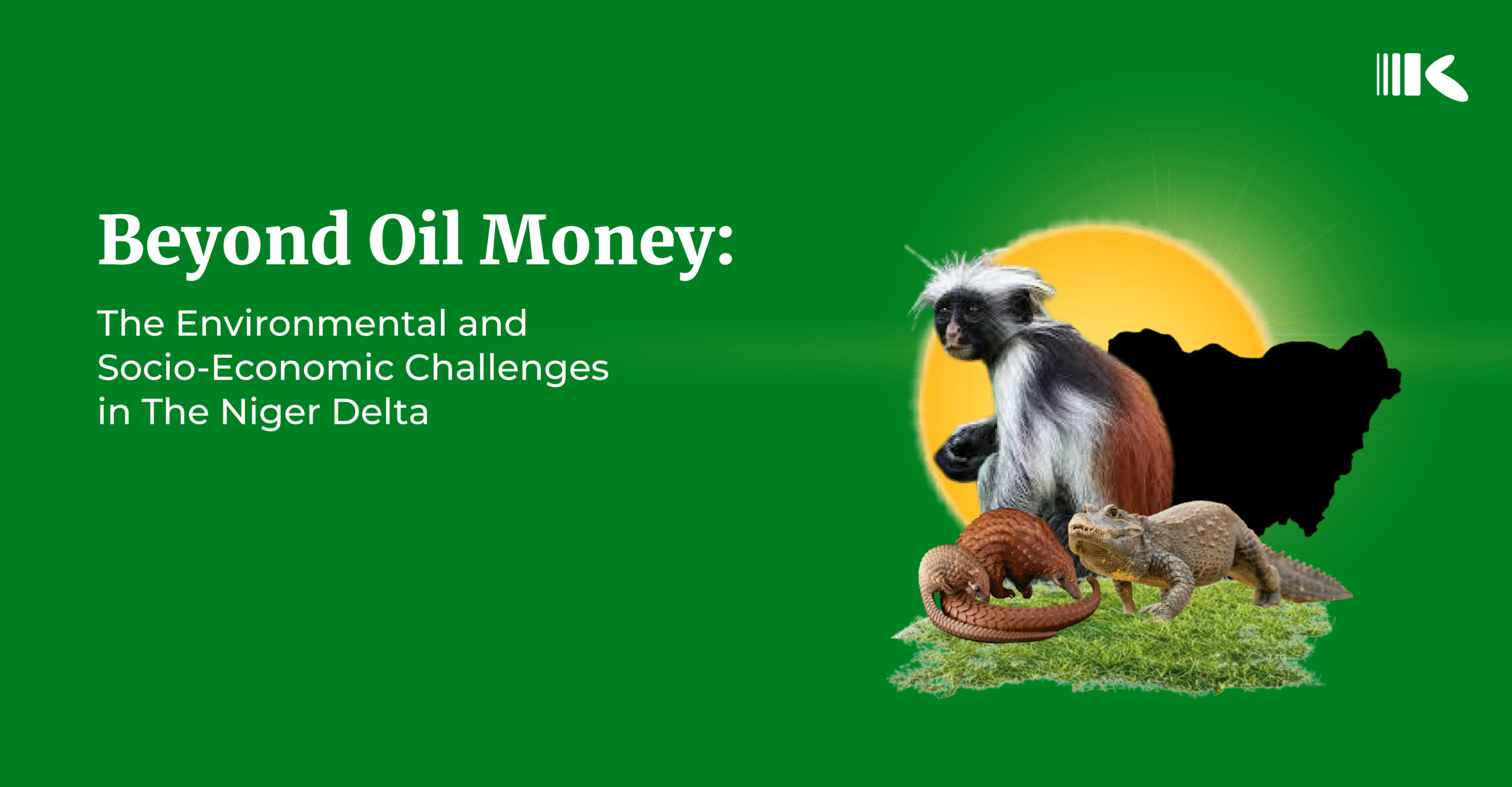

The Niger Delta Region (NDR), comprising Abia State, Akwa Ibom State, Bayelsa State, Cross River State, Delta State, Edo State, Imo State, Ondo State, and Rivers State, is one of the most studied regions in the world. Although the Niger Delta is recognized as a major pillar of the Nigerian economy with its vast oil and gas reserves and rich biodiversity in Africa’s largest mangrove forest, it is also known for environmental pollution and socio-economic challenges.
THE CHALLENGES
There were more than 7000 oil spills that occurred in the NDR between 1976 and 2006. These oil spills have had disastrous impacts on the soil, water, air, and most especially the communities living in the region. The result of the oil spillage being flooding, soil erosion, increase in health problems and a decrease in the standard of living.
The coast offers many ways to make a living through fishing, tourism, salt production, and farming, yet over 47% of the population in the region live in poverty. This poverty can be seen in the most predominant settlement type in the NDR. Instead of sturdy houses, there are small and rickety hamlets scattered in rural communities across the region. It can also be seen in the poor quality of education and the limited access to education in the region.
There’s also the issue of burning off the excess natural gas produced during oil drilling. This process is called gas flaring and more than 2.5 billion cubic feet of natural gas are burnt everyday in the Niger Delta. The effect of gas flaring is the release of greenhouse gases and other pollutants into the atmosphere as well as the wastage of resources.
Mangrove forests are a source of food and income for local communities but water pollution caused by oil spillage, illegal artisanal refining, gas flaring, industrial and domestic waste has led to the loss of these mangroves. Other effects of this loss include; harsh weather conditions, flooding and a drastic reduction in the aquatic body that has affected the livelihoods of fishers, which have raised local market prices.
Just like the people living in the Niger Delta region, the animals in the region are also affected by the challenges. Animals in the ecosystem are needed to balance the food chain but factors like overfishing and hunting have led to the disappearance of many animals from the Niger Delta. Specific species of monkeys and fishes unique to the Niger Delta are in danger of extinction due to lack of attention to sustainability and conservation.
ORGANIZATION SPOTLIGHT
The resilience of Nigerians is not just seen in our ability to dilute our problems with humor, but in our willingness to fold our sleeves and do the hard work of creating the future we want. We see this in how non-governmental organizations spring up everyday to tackle various socioeconomic problems in different locations and the NDR is not left behind.
Established in 1966 in Calabar, Cross-River State, The Biodiversity Preservation Center (BPC) is a nonprofit organization dedicated to conserving endangered wildlife species, and creating awareness and opportunities for people to understand and appreciate nature.
Some of the BPC’s remarkable projects include the West African crocodile conservation project, Manatee conservation project, BPC tortoise project, and snake project. These projects are targeted at specific animals, preserving and protecting them from the numerous threats to their lives in the Niger Delta. The work of the BPC goes beyond preserving animals, it extends to educating the public on the importance of consecration, maintaining the food chain balance, promoting environmental awareness and advocating for sustainability.
The nation’s premier conservation institution, the Nigerian Conservation Foundation (NCF) which was founded in 1980 has also pursued its vision of a prosperous Nigeria living in harmony with nature. Its mission is comprehensive, targeting the preservation of Nigeria’s full spectrum of biodiversity while championing sustainable resource use. A notable seminal initiative, the Niger-Delta Conservation and Sustainable Development (NDCSD) Project, was established in 2002 to instigate a paradigm shift away from oil dependence by demonstrating the economic value of the region’s rich biodiversity. Beyond its field projects, the NCF’s legacy is deeply embedded in national policy, having played a pivotal role in developing foundational environmental strategies and legislation.
The South West Niger Delta forest project is also another notable organisation that works tirelessly to address the region’s complex challenges through a multi-faceted strategy of implementing 4 main pillars: Species protection, Habitat management, Community livelihood development, and Capacity Building.
Its work involves protecting critically endangered endemic species like the Niger Delta red colobus through established protected areas, which has resulted in a documented population doubling within four years. Concurrently, it pursues large scale habitat restoration and reforestation to rehabilitate the degraded ecosystem. To ensure community involvement and sustainability, the organization implements social enterprise initiatives such as “Animal Husban-tree,” which provides alternative livelihoods and reduces pressure on wildlife. It also invests in long term impact by building local institutional capacity and cultivating a new generation of conservationists through youth focused training and mentorship programs.
FINAL NOTE
While the phrase ‘Niger Delta’ may evoke thoughts of ‘Oil Money’ in the popular imagination, its true legacy is far more complex. The region is a vital center of biodiversity, and concerted efforts from private, public, and nonprofit stakeholders are essential to secure a sustainable future for its environment and people.